How Outdoor SMD Screens Turn Building Facades into Digital Advertising Spaces
| TL;DR — Quick Answer Outdoor SMD screens are transforming ordinary building exteriors into large-format digital advertising spaces, turning a static wall into a revenue-generating, brand-defining asset visible to thousands of people daily. A facade installation differs from a standalone billboard in key ways — it needs to account for structural load, wind exposure at height, transparency options for windows, and content management suited to advertising sales. Done properly, with weatherproof SMD panels and reliable power backup from Smart One Power Solution, a building facade screen becomes one of the most visible and valuable digital assets a property owner or advertiser can install. |
Introduction
Walk through any major city today and it’s hard to miss it — building exteriors that were once just glass, concrete, or brick are increasingly doubling as massive digital displays. What used to be static architecture is now active media space, capable of showing advertising, branding, event content, or public information to everyone within view. This shift is being driven almost entirely by one technology: outdoor SMD screens.
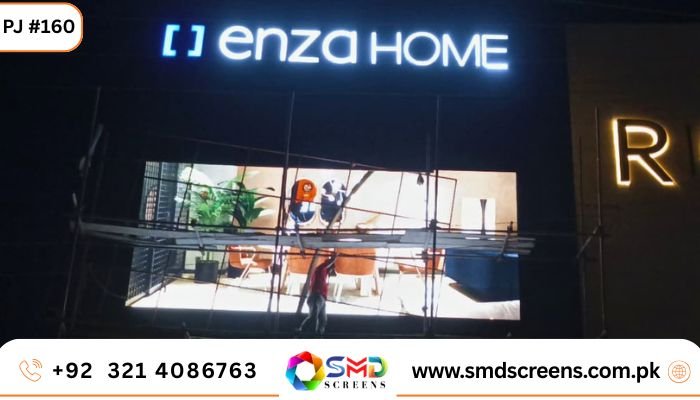
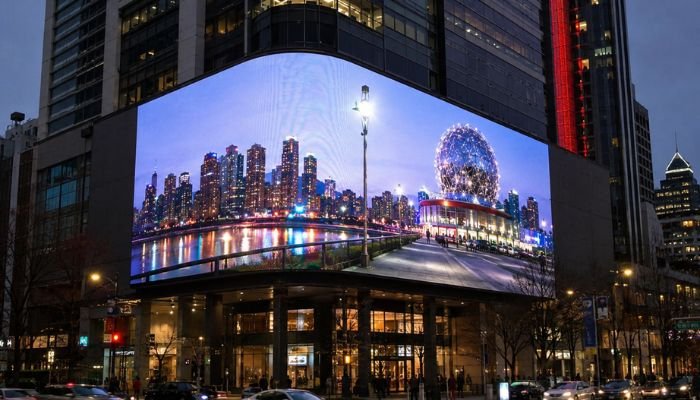
Unlike a traditional billboard bolted onto a frame at street level, a facade-integrated SMD screen becomes part of the building itself — sometimes spanning several floors, wrapping around corners, or covering large sections of a structure’s most visible face. This article explores how outdoor SMD screens are turning building facades into genuine advertising and branding assets, what makes this kind of installation technically different from a standard outdoor screen, and what property owners and advertisers should understand before pursuing one.
Why Building Facades Are Becoming Prime Digital Real Estate
Unmatched Visibility. A building facade screen is seen by everyone who passes — pedestrians, drivers, and anyone within sightline of the structure — often from significant distances, making it one of the most naturally high-traffic advertising placements available.
Revenue Potential for Property Owners. A facade converted into an outdoor SMD screen can generate ongoing advertising revenue for the building owner, turning what was previously a purely architectural surface into an income-producing asset.
Brand and Landmark Value. Buildings with striking digital facades often become recognizable landmarks in their own right, adding a layer of prestige and modern identity to the property that a static exterior never could.
Flexibility Static Signage Can’t Match. A facade SMD screen can display different content throughout the day — advertising during commercial hours, public information in the evening, or celebratory displays during major events — something a fixed architectural feature or printed banner simply cannot do.
What Makes Facade SMD Installations Different From Standard Outdoor Screens
Installing an outdoor SMD screen on a building facade involves a distinct set of engineering and design considerations beyond what a standalone roadside display requires.
Structural Load at Height. Facade installations often sit many floors above ground level, meaning the building’s structure — not just a standalone frame — has to safely support the screen’s weight, along with the added wind loading that comes with height.
Wind Exposure. Wind speeds increase significantly with building height, and a facade screen needs a mounting system engineered specifically for that elevated wind load, which is considerably more demanding than a ground-level installation.
Transparency and Mesh Options. Some facade installations use transparent or mesh-style LED panels that allow natural light to pass through windows behind the display, preserving the building’s interior lighting while still delivering a visible outdoor image — a specialized configuration not needed for typical ground-level screens.
Curved and Irregular Surfaces. Building facades aren’t always flat — corners, curves, and architectural features sometimes need custom panel configurations to maintain a seamless image across an irregular surface.
Content Management for Multiple Advertisers. A facade screen used for advertising sales, rather than single-brand signage, typically needs a more sophisticated content management and scheduling system to handle multiple advertisers and rotating campaigns.
Technical Considerations Before Installing a Facade SMD Screen
Pixel Pitch for Viewing Distance. Since facade screens are generally viewed from a distance — often across a street or from several blocks away — pixel pitch can typically be wider than a close-viewing indoor or street-level display, without any loss in perceived image quality.
Brightness for Daytime and Nighttime Visibility. A facade screen needs to remain legible in full daylight while also being calibrated to avoid excessive glare or light pollution at night — a dual requirement that demands careful brightness management and, ideally, automatic ambient light adjustment.
Weatherproofing at Scale. Every cabinet across a large facade installation needs to be properly sealed against rain, dust, and humidity, since the sheer scale of a facade screen means even a small number of failed seals can create a visible, embarrassing problem across a highly public surface.
Structural and Regulatory Approval. Facade installations, particularly larger ones, typically require structural engineering sign-off and may involve local regulatory approval given their visibility and scale — a planning step that shouldn’t be treated as an afterthought.
Power Infrastructure for Large-Scale Displays. A facade screen spanning multiple floors draws considerably more power than a standard outdoor display, making power planning and backup capability a genuinely significant part of the overall project.
The Business Case: Why Building Owners and Advertisers Invest in Facade Screens
For Property Owners. A facade SMD screen can be leased to advertisers as ongoing revenue, offsetting or exceeding the installation cost over time while simultaneously giving the building a more modern, high-profile identity.
For Advertisers. A facade advertising placement offers exposure that traditional billboards often can’t match in scale and visual impact, particularly on buildings positioned along high-traffic routes or in prominent city locations.
For Mixed-Use Developments. Retail, commercial, and mixed-use buildings can use facade screens to promote their own tenants or brands alongside third-party advertising, creating a dual-purpose asset that supports both leasing revenue and the building’s own marketing.
For City Landmarks. In some cases, a well-executed facade screen becomes part of a city’s visual identity, drawing attention to a specific location and adding value well beyond direct advertising revenue.
Content Strategy for Facade Advertising Screens
Scheduled Advertising Rotation. Facade screens used for advertising sales typically run scheduled content blocks, rotating between different advertisers throughout the day according to purchased time slots.
Dayparting for Different Audiences. Content can shift based on time of day — commercial advertising during business hours, different messaging during evening foot traffic, or special content during major public events.
Public and Community Content. Some facade screens balance paid advertising with occasional public service announcements, event promotion, or community messaging, which can strengthen public goodwill toward the installation.
Content Approval and Brand Safety. A facade screen visible to the public needs a content approval process to avoid displaying anything inappropriate or off-brand for the building or its advertisers, particularly given how visible any mistake would be.
Why Power Reliability Is Especially Important for Facade Installations
A building facade screen is one of the most publicly visible assets a property can have — which means a power failure isn’t a quiet inconvenience, it’s a highly visible one. A facade screen that goes dark, flickers, or displays corrupted content due to a power issue undermines the professional impression the installation was meant to create, in full view of everyone passing by.
This is where Smart One Power Solution becomes a critical part of a facade SMD screen project. Given the scale of power draw involved in a multi-floor facade installation, building in conditioned power and robust backup capability protects against Pakistan’s occasional voltage fluctuations and short outages, ensuring the display keeps performing reliably rather than becoming a visible, public failure at the worst possible moment.
How SMD Screens Pakistan Approaches Facade Installations
SMD Screens Pakistan works with property owners, developers, and advertisers to plan and install outdoor SMD screens for building facades, managing the technical complexity that comes with large-scale, elevated installations.
Structural and Engineering Assessment. The team works through the structural, wind load, and mounting requirements specific to the building, ensuring the installation is engineered safely for its actual height and location.
Pixel Pitch and Brightness Specification. Screen specifications are matched to realistic viewing distances and both daytime and nighttime visibility requirements, rather than defaulting to a generic outdoor standard.
Content Management Setup. For facades intended for advertising sales, the installation includes configuring a scheduling and content management system suited to rotating multiple advertisers.
Reliable Power Integration. Every facade project can include conditioned power and backup support built with Smart One Power Solution, addressing the significant power demands of a large-scale, elevated display.
Ongoing Maintenance and Support. Given the scale and visibility of a facade installation, ongoing maintenance, inspection, and troubleshooting support remain available well beyond the initial installation.
The Installation Process, Step by Step
Step 1: Site and Structural Assessment
The team evaluates the building’s structure, height, wind exposure, and visibility from key viewing angles to determine the appropriate screen configuration and mounting approach.
Step 2: Screen Specification and Design
Pixel pitch, brightness, and panel configuration are specified based on realistic viewing distances and the building’s architectural features, including any curved or irregular surfaces.
Step 3: Structural Engineering and Approval
Mounting structures are engineered to safely handle the screen’s weight and wind loading at height, with any necessary structural or regulatory approvals secured before installation begins.
Step 4: Installation and Weatherproofing
Panels are mounted and sealed at scale, with particular attention to consistent weatherproofing across the entire facade to avoid isolated failure points on such a visible surface.
Step 5: Power Integration and Content System Setup
Power conditioning and backup capability are installed, alongside configuration of the content management system for scheduled advertising or branding content.
Step 6: Calibration and Commissioning
The screen is calibrated for both daytime and nighttime visibility, tested under real conditions, and handed over with a full walkthrough for the property or advertising management team.
Maintenance Considerations for Facade SMD Screens
- Schedule regular inspection of weatherproof seals given the scale and public visibility of any potential failure
- Monitor brightness performance across day and night cycles to confirm calibration remains accurate
- Keep spare panels accessible for fast, minimally disruptive replacement given the installation’s visibility
- Test power backup systems periodically to confirm reliable operation during an actual outage
- Review content management access controls periodically, particularly for facades handling multiple advertisers
Frequently Asked Questions
How is a facade SMD screen different from a standard billboard?
A facade screen is integrated into the building itself, often spanning multiple floors, and requires structural engineering specific to the building’s height and wind exposure, unlike a standalone billboard mounted on its own frame at street level.
Can a facade SMD screen still let light into the building’s windows?
Yes, transparent or mesh-style LED panel configurations exist specifically for this purpose, allowing outdoor advertising content to display while still letting natural light pass through to the interior.
How much revenue can a building facade screen generate for a property owner?
This varies significantly based on location, visibility, and advertising demand, but a well-placed facade screen in a high-traffic area can generate meaningful ongoing revenue through advertiser leasing over time.
Does a facade SMD screen need special regulatory approval?
Depending on size and location, facade installations often require structural sign-off and may involve local regulatory approval given their scale and public visibility, which should be planned for early in the project.
Why does power backup matter so much for a facade screen specifically?
A facade screen is highly visible to the public, so a power failure becomes an embarrassing, public problem rather than a quiet inconvenience. Backup power, such as systems built by Smart One Power Solution, protects against this risk.
Conclusion
Outdoor SMD screens have fundamentally changed what a building facade can be — no longer just an architectural surface, but a genuine digital advertising and branding asset capable of generating revenue, building landmark recognition, and delivering content to thousands of people daily. Getting a facade installation right requires far more than simply mounting an outdoor screen at scale — it demands proper structural engineering, wind-rated mounting, careful brightness calibration, and dependable power backup, all of which SMD Screens Pakistan manages on every facade project, supported by power infrastructure from Smart One Power Solution.
| Considering an Outdoor SMD Screen for Your Building Facade? SMD Screens Pakistan plans and installs large-scale outdoor SMD screens for building facades, handling structural engineering, weatherproofing, and content management, with reliable power backup from Smart One Power Solution. Explore our Outdoor SMD Screen solutions or contact our team today for a free site assessment and consultation. |