Why 3D Digital Billboards Are Becoming the Future of Advertising in 2026
A New Era of Outdoor Advertising Has Officially Arrived
Drive through any major city in 2026 and something feels different on the streets. The billboards no longer sit flat on the wall. Cats leap out of them, sneakers float above the traffic, dragons curl around the corner of a building, and beverage cans pour themselves into the open sky. These are not visual effects from a movie. These are 3D digital billboards, and they are quickly becoming the most talked-about advertising medium of the decade.
From Times Square in New York to the famous Shinjuku district in Tokyo, and increasingly across Dubai, Riyadh, Istanbul, and now Pakistan, brands are racing to claim space on these immersive screens. At Smart One Power Solution, we have been tracking this shift closely because it is not just a creative novelty. It represents a fundamental change in how brands grab attention, build memory, and generate sales in an era where traditional digital ads are constantly being skipped, blocked, or scrolled past.
In this article, we will break down what 3D digital billboards actually are, why they are exploding in popularity in 2026, the technology powering them, the kind of business results they deliver, and how Pakistani brands can take advantage of this trend before everyone else catches on.
What Exactly Is a 3D Digital Billboard?
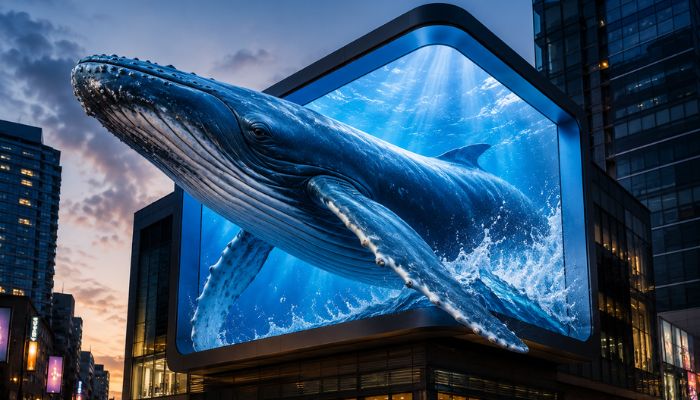
A 3D digital billboard, sometimes called an anamorphic LED display or naked-eye 3D billboard, is a large outdoor LED screen that creates the illusion of depth and three-dimensional motion without requiring viewers to wear glasses or any special headset. The magic happens through a clever combination of curved or L-shaped LED panels, high-resolution displays, and content that is specially designed using forced perspective and 3D rendering techniques.
When you look at the screen from the intended viewing angle, your brain reads the visual cues, depth, lighting, and motion as a real object moving in physical space. A spaceship appears to fly out of the screen. A car looks like it is driving along the edge of the building. A football is kicked toward your face. The effect is so convincing that people stop walking, take out their phones, and instantly record content that ends up on Instagram, TikTok, and YouTube Shorts. Each video they share becomes free advertising for the brand on the screen.
How a 3D Digital Billboard Is Different From a Regular LED Screen
- A regular LED billboard displays flat 2D images, videos, or graphics, much like a giant outdoor television.
- A 3D digital billboard uses curved or angled LED panels combined with depth-illusion content designed for a specific viewing perspective.
- The visual effect happens entirely with the naked eye, no glasses, no app, and no special headgear required.
- It demands stronger creative work, smarter LED hardware, and precise calibration to deliver the illusion convincingly.
Why 3D Digital Billboards Are Taking Over in 2026
This is not a sudden trend that appeared overnight. 3D billboards have been quietly maturing since the famous Shinjuku cat went viral in 2021. What makes 2026 the breakthrough year is a combination of falling hardware costs, faster content production tools, smarter advertising platforms, and a global audience that is hungry for visual experiences worth sharing online. Several powerful forces are pushing this medium into the mainstream right now.
1. Attention Has Become the Most Valuable Currency
Consumers in 2026 are bombarded with thousands of ads every single day across mobile, social media, streaming platforms, and email. Most of these ads are ignored, blocked, or scrolled past in less than two seconds. A 3D digital billboard breaks through this noise because it is unavoidable, larger than life, and genuinely entertaining to watch. People do not just glance at it, they stop and stare.
2. Social Media Amplifies Every Single 3D Billboard
Every time someone records a 3D billboard and posts it online, that brand gets exposure far beyond the physical street where the screen is installed. A single well-designed 3D campaign can rack up tens of millions of views globally without spending a single rupee on social media ads. This is the kind of organic reach that traditional billboards could never deliver.
3. LED Hardware Is Cheaper and More Capable Than Ever
Five years ago, the curved LED panels, high refresh rates, and outdoor-grade brightness needed for naked-eye 3D content were expensive and hard to source. Today, manufacturers like Hikvision and other leading brands offer high-density outdoor LED solutions at price points that make 3D installations achievable for shopping malls, hotels, automotive brands, telecom operators, real estate developers, and even mid-sized retailers.
4. AI Is Speeding Up 3D Content Production
Producing convincing 3D billboard content used to require a full visual effects team and weeks of work. In 2026, AI-assisted 3D rendering tools and accessible cloud render farms have collapsed both the cost and the timeline. Brands can now create stunning campaigns in days rather than months, which means more advertisers can afford to experiment with the format.
5. DOOH Is Becoming Programmatic and Data Driven
Digital out-of-home advertising, or DOOH, is no longer about renting a screen for a fixed month. Modern platforms allow brands to buy 3D billboard slots in real time, target specific times of day, sync content with weather or live events, and measure the audience just like they would on a digital campaign. This data-driven control is exactly what marketing teams have been demanding.
The Real Business Impact of 3D Billboard Advertising
3D billboards are not just visually impressive, they actually move the needle on business outcomes. Industry research consistently shows that 3D billboard campaigns generate significantly higher attention, recall, and conversion compared to traditional static or even flat digital outdoor advertising. Reports across the global out-of-home industry suggest that 3D billboards can deliver roughly twice the sales impact of static boards, simply because they are remembered, talked about, and shared online.
Why Brands See Such Strong Returns
- Higher dwell time as pedestrians and drivers stop to watch the full animation loop.
- Massive social media amplification through user-generated videos and viral clips.
- Stronger brand recall because the human brain remembers immersive 3D moments far better than flat images.
- Premium brand perception, since a 3D campaign signals that the brand is modern, bold, and well funded.
- Cost efficiency in the long run because the organic reach often exceeds what paid digital ads would deliver.
Industries Leading the 3D Billboard Wave
Some industries have moved faster than others in adopting this format because the visual storytelling potential fits naturally with their products. The most active adopters in 2026 include the following.
- Automotive brands launching new vehicle models with dramatic on-screen reveals.
- Smartphone and consumer electronics companies showcasing product features in 3D.
- Sportswear and footwear brands creating iconic stadium-style hype moments.
- Luxury fashion houses building couture-grade visual campaigns.
- Beverage and FMCG brands turning bottles, cans, and packaging into floating spectacles.
- Telecom operators, banks, and real estate developers building large city presence.
The Technology Behind a 3D Digital Billboard
Understanding the technology helps clarify why a 3D billboard delivers such a different experience compared to a normal LED screen. Three elements must come together seamlessly: the LED hardware, the creative content, and the installation engineering. Get any of these wrong and the 3D illusion collapses.
1. Curved or L-Shaped LED Cabinets
The signature look of a 3D billboard comes from its physical shape. Most installations use either an L-shaped corner display that wraps around the edge of a building, or a curved LED screen that bends gently inward. This shape, combined with content created using forced perspective, is what tricks the human eye into perceiving depth that does not actually exist.
2. High-Brightness Outdoor LED Modules
Outdoor 3D billboards typically need brightness of 5000 nits or higher to remain vibrant and clearly visible in direct sunlight. Pixel pitch usually ranges from P4 to P10 depending on the average viewing distance. The display must also handle high refresh rates so that the animation looks smooth in person and looks even smoother when recorded on smartphone cameras.
3. Specially Crafted 3D Anamorphic Content
The content is the soul of any 3D billboard campaign. Creating it requires 3D modelling and animation software, careful camera mapping to the intended viewing angle, and frame-by-frame attention to lighting, shadows, and motion physics. Without expert content design, even the best LED hardware will look ordinary.
4. Weatherproof Structural Engineering
Outdoor installations must withstand Pakistan’s heat, monsoon rains, dust storms, and wind loads. This means properly engineered steel frameworks, IP-rated cabinets, surge protection, lightning grounding, ventilation, and cable management designed for long-term reliability.
5. Smart Content Management and Remote Control
Modern 3D billboards run on cloud-based digital signage platforms that allow brands and operators to update content remotely, schedule campaigns by time of day, and even synchronise multiple billboards across a city for unified storytelling. Some networks now also integrate programmatic DOOH buying so that creative can be served based on traffic, weather, or audience data.
The 3D Billboard Opportunity in Pakistan
Pakistan is at a fascinating moment in its outdoor advertising journey. Major cities like Karachi, Lahore, Islamabad, and Rawalpindi already feature large digital LED billboards along high-traffic corridors. However, true naked-eye 3D installations are still rare, which means early adopters have a huge first-mover advantage. The brand that launches a striking 3D campaign on a prime road in any major Pakistani city right now will dominate local social media conversations for weeks.
The economic case is just as compelling. Pakistan has one of the youngest populations in the world, with a digitally connected audience that lives on TikTok, Instagram, and YouTube. This audience loves to record and share visually striking content. A single viral 3D billboard moment can generate more brand exposure than months of conventional advertising, all from a single physical installation.
Cities and Locations Where 3D Billboards Will Shine in Pakistan
- Karachi: Shahrah-e-Faisal, Clifton, II Chundrigar Road, and major shopping district corners.
- Lahore: MM Alam Road, Mall Road, Liberty Roundabout, and DHA commercial zones.
- Islamabad and Rawalpindi: Jinnah Avenue, Blue Area, Murree Road, and entry points near major malls.
- Faisalabad, Multan, Peshawar, and Gujranwala: city-centre intersections and main commercial corridors.
- Airports, motorway service areas, and premium mall facades across the country.
What to Consider Before Investing in a 3D Digital Billboard
As exciting as 3D billboards look, they are not a plug-and-play purchase. A successful installation requires careful planning across location, hardware, content, and ongoing operations. Smart One Power Solution helps clients think through these decisions so the final product delivers maximum impact and a strong return on investment.
Location and Viewing Angle
The illusion only works from a specific angle and viewing range. The right location is one where pedestrians and drivers naturally approach the screen from the planned perspective, and where they have enough time to look up, watch, and react. Picking the wrong corner can flatten the entire effect.
Pixel Pitch and Screen Size
Pixel pitch must match the average viewing distance. Closer viewing distances need a finer pitch like P4 or P5, while larger billboards seen from across a road can work with P6, P8, or P10. The screen also needs to be large enough that the 3D illusion feels grand rather than gimmicky.
Content Strategy and Refresh Cycle
Even the most spectacular 3D animation will lose its wow factor if it runs unchanged for months. Brands should plan a content calendar with seasonal updates, product launches, and creative refreshes so the billboard keeps surprising the audience and stays shareable on social media.
Power, Cooling, and Long-Term Maintenance
Outdoor LED screens consume significant power and generate heat. Reliable electrical infrastructure, proper ventilation, surge protection, and a scheduled maintenance plan are essential to keep the screen looking flawless and to protect the long-term investment.
Why Smart One Power Solution Is the Right Partner for 3D LED Billboards
Smart One Power Solution is a trusted name in Pakistan for indoor and outdoor SMD screen, digital signage, and large-format advertising displays. We bring together authentic hardware, engineering-led design, and complete after-sales support, which is exactly the combination required to deliver an installation as demanding as a 3D digital billboard.
What Sets Our 3D Billboard Solutions Apart
- Authentic LED Hardware: We supply genuine Hikvision and partner-brand outdoor LED panels with full manufacturer warranty.
- End-to-End Project Delivery: Site survey, structural design, supply, installation, calibration, content support, and maintenance handled in-house.
- Engineering Expertise: Our team designs the steel frameworks, electrical supply, and cooling needed for safe, long-lasting outdoor installations.
- Creative Partner Network: We work with skilled 3D content studios so your billboard launches with eye-popping anamorphic visuals, not generic loops.
- Nationwide Coverage: Active project delivery and support across Islamabad, Rawalpindi, Lahore, Karachi, Faisalabad, Peshawar, and beyond.
- Transparent Pricing: Honest quotations with clear component-level breakdowns and no hidden costs.
What the Future Holds Beyond 2026
3D digital billboards are only the beginning. The same wave of technology is already pushing outdoor advertising toward AI-personalised content that changes based on the time of day, traffic flow, or even the weather. Programmatic buying platforms will allow brands to bid for prime billboard slots in real time, much like they currently bid for Google or Meta ads. Interactive billboards that respond to gestures or smartphone connections are also moving from prototype to deployment in leading global markets.
For brands that act now, the opportunity is clear. A well-placed 3D billboard in 2026 does not just sell a product, it positions the brand as forward-looking, confident, and culturally relevant. The brands that take advantage of this moment will own the visual memory of an entire city for years.
Ready to Launch Your Own 3D Digital Billboard?
If you are a brand, a real estate developer, a mall operator, an advertising agency, or an out-of-home media owner planning to invest in 3D digital billboards in Pakistan, Smart One Power Solution is ready to support you from concept to launch. We will help you choose the right location strategy, the right LED hardware, the right pixel pitch, and the right content partners so your campaign delivers the maximum visual and commercial impact.
From compact storefront 3D screens to massive city-centre installations, our team handles the engineering, the supply, the installation, and the long-term maintenance so you can focus on the creative story you want to tell.
Talk to Smart One Power Solution Today
Website: smdscreens.com.pk
Smart One Power Solution – bringing tomorrow’s advertising to Pakistan’s streets, one immersive screen at a time.